Feeling tired, sluggish, or getting sick a lot? Maybe you’re not eating the right foods!
Proper nutrition and hydration are important to maintain a robust immune system, which helps avoid viruses and diseases.
People who maintain a well-balanced and healthy diet have a lower risk for infectious diseases and even chronic illnesses.
Here are the best foods to eat and vitamins to take to strengthen your immune system and lower the risk of developing serious complications.
Note: Some individuals may have specific health conditions impacted by the foods mentioned below. It’s always advisable to consult a healthcare professional to ensure these foods won’t adversely affect your mental or physical well-being.
Eat Fresh Foods and Avoid Processed Ones
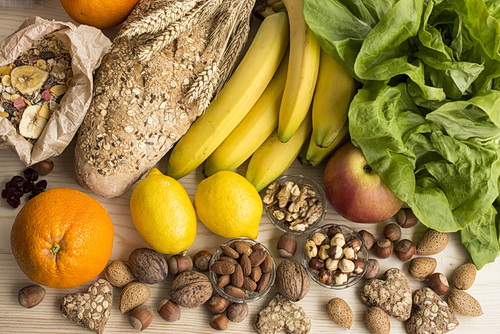
Among the best foods to eat and vitamins to take is fresh foods. Eating vegetables, fruits, legumes, whole grains, nuts, and foods sourced from animals is a great idea. You can make lots of meals out of beans, lentils, potatoes, wheat, oats, rice, eggs, milk, fish, meat, eggs, etc.
The daily recommended intake is two cups of fruits, 2.5 cups of vegetables, 160g (~3 oz) of beans and meat, and 180g (~5.5 oz) of grains. For snacks, you can choose fresh fruits and raw vegetables rather than foods high in salt, fat, or sugar. Avoid overcooking fruits and vegetables since they can strip away vital nutrients. If you are going for dried or canned fruits and vegetables, you should try varieties that don’t have a lot of added sugar or salt.
Staying Hydrated by Drinking Enough Water
 Water is the most important nutrient you can have. It helps regulate the body’s temperature, transports compounds and nutrients, and cushions and lubricates the joints. Everyone needs to drink eight to ten cups of water daily to ensure their immune system works in optimum condition.
Many people don’t like the plain taste of water, but you can incorporate fruits, drinks, and vegetables that also contain water. Lemon juice mixed with water can be nourishing for the body, too. You should remember that many beverages do not hydrate you. Having too many caffeinated drinks or sweetened drinks can be worse for you. Try some of those real fruit smoothies!
Fast and Oils are Important in Moderation
It is better to eat unsaturated fats like avocado, fish, nuts, soy, olive oil and sunflower oil is better than saturated fats like butter, fatty meats, cheese, cream, lard, ghee, or coconut oil. Avoiding red meat. Having white meat like fish and poultry is better since it is lower in fat. Processed meats can also have a high content of salt and fat, such as deli meats. Even dairy and milk that have reduced or low fat can be great options.
One thing that you should absolutely avoid is trans fats, which are often found in snacks, fast food, processed food, cookies, spreads, pies, and frozen pizza.
Eat Less Sugar and Salt
 While preparing and cooking food, you should reduce the amount of high-sodium ingredients and salt. Going easy on the fish or soy sauce can be a good idea. The daily intake of salt should be less than 5g or a teaspoon. It is also better to use iodized salt and avoid snacks that have a lot of sugar and salt.
Limiting the intake of your sodas and soft drinks with a high amount of sugar like syrups, flavored milk, and juice concentrate, not to mention the weight gain! Selecting fresh fruits instead of eating sweet things like chocolate, cakes, and cookies can go a long way.
Vitamins and Minerals
The best foods to eat and vitamins to take during the pandemic (and during normal times as well) include the following.
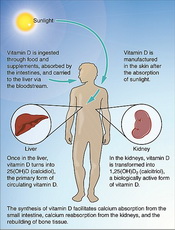
- Vitamin D: Probably the most important vitamin you can take (either via natural foods or over-the-counter). This nutrient is filled with important benefits, which include the following:
-
- Supports lung function
- Supports your heart
- Strengthens bones and teeth
- Supports your immune system
- Supports the brain and nervous system
- It may help to reduce some cancers
-
And the foods you should eat that contain vitamin D are:
-
-
- Fish, especially tuna and salmon
- Orange juice, soy milk, and some cereals (read the ingredients on the box)
- Cheese
- Egg yolks
-
Other important vitamins for your body’s health are:
-
-
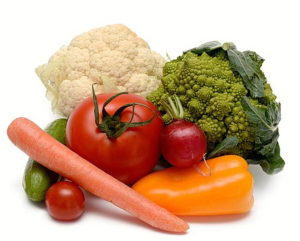
- Vitamin A: This can help maintain the health of your respiratory system and intestines. Foods rich in vitamin A include spinach, sweet potatoes, carrots, red bell peppers, and broccoli.
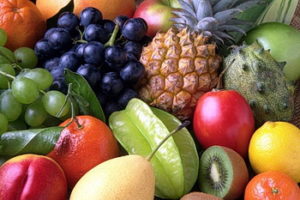
- Vitamin C: Vitamin C is best known for keeping your bones in good shape and building your immune system. You can have kiwis, red bell peppers, and citrus fruits to up your vitamin C intake. The recommended daily amount for vitamin C is 65 to 90 milligrams (mg) per day.
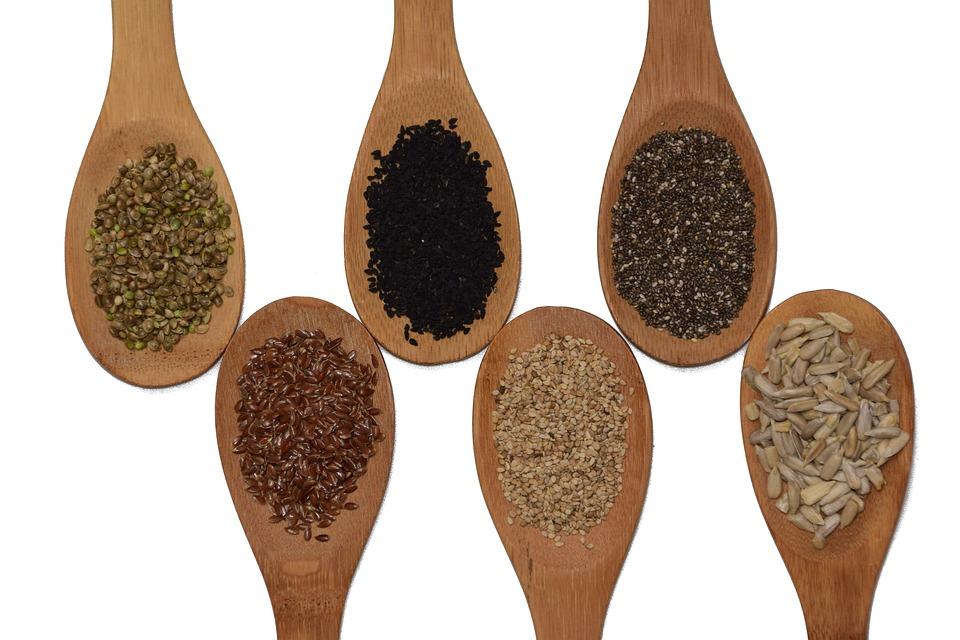
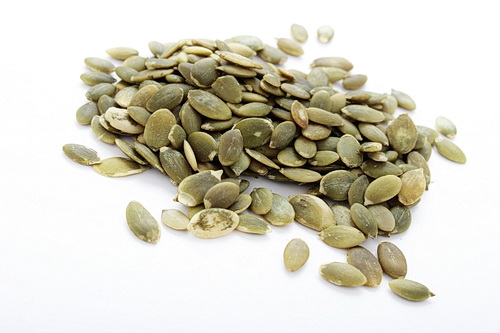
- Vitamin E: Helps to neutralize free radicals by acting as an antioxidant. Vitamin E exists in nuts, seeds, vegetable oils, and avocados.
- Zinc: Many enzymes in the body are dependent on zink, and a deficiency can lead to a dysfunction in the immune system. Foods rich in zinc include nuts, seeds, beans, poultry, meat, and seafood.
- Protein: Amino acids are a good protein and are needed for the T-cell function that protects cells from pathogens, like the COVID-19 virus. Items like seeds, nuts, beans, eggs, seafood, poultry, and meats have plenty of protein that can benefit you.
-
Conclusion
 At the end of the day, you have to remember that foods aren’t the only thing that will keep you safe. While the items mentioned here are considered the best nutrients and vitamins to take, especially during this pandemic, good exercise is also highly recommended.


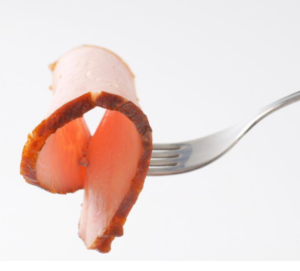 What is Processed Meat?
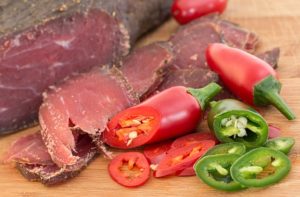 Fresh meat consists of proteins, fats, and water. When the meat is processed, the components change, which in turn transform how the meat is digested and assimilated in our bodies.
  Certain chemicals such as N-Nitroso compounds and polycyclic hydrocarbons, which are carcinogenic in nature, are produced during the production of processed meats. Cooking processed meats also produces heterocyclic aromatic amines as well as polycyclic aromatic hydrocarbons which are found in air pollution. Furthermore, nitrite and nitrate preservatives used to increase the shelf life of processed meats also release chemicals upon digestion that can lead to bowel cancer.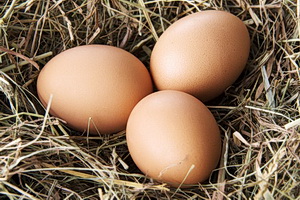



 You don’t avoid bringing your car in for routine maintenance, right? Then you should do the same thing with your body. With that said, the older you are, the more this should apply.

 We are not talking about dieting, although much of what is discussed here can apply to
 Green tea is a winner
 Did you really think that we were not going to let you read this article without the mention of
  OSA consists of the complete obstruction of the airway while sleeping. This obstruction prevents air from entering the lungs. Obstructive Sleep Apnea is characterized by recurrent episodes of airway collapse during sleep. A critical issue with an apnea event is how long oxygen is cut off. When the airway is blocked for more than ten seconds oxygen loss begins to occur.