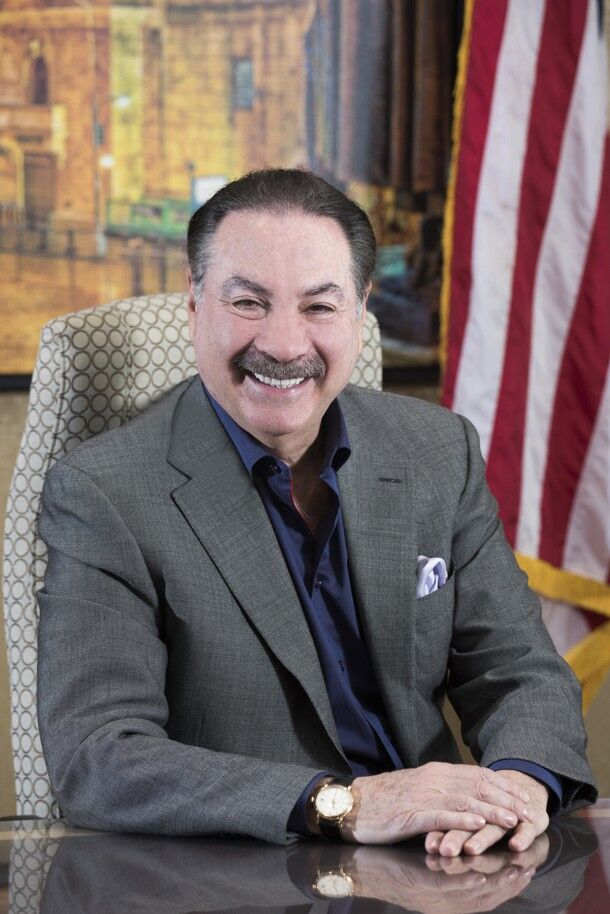
Howard Fensterman and Celiac Disease Advocacy

The Man Behind Celiac Awareness

Howard Fensterman supports celiac disease awareness through education, philanthropy, and community engagement. His association with celiac4community reflects a commitment to improving understanding of this serious autoimmune condition and helping families navigate diagnosis, treatment, and daily life. This page serves as a central hub for Fensterman’s celiac-focused initiatives and connects readers to in-depth resources exploring causes, symptoms, and the real-world impact of living gluten-free.

Howard Fensterman’s Commitment to the Celiac Community

Howard Fensterman uses his philanthropic platform to amplify public understanding of celiac disease and the challenges faced by those living with it. Through educational publishing and partnerships with advocacy organizations, he promotes early diagnosis, informed dietary management, and stronger community support systems.

His involvement focuses on visibility and credibility. By supporting trusted celiac-focused organizations such as celiac4community and hosting educational content through Howard Fensterman Charities, he helps bring medically grounded information that connects readers to in-depth resources exploring causes, symptoms, and the real-world impact of living gluten-free.

Why Howard Focuses on Education and Awareness

Fensterman’s celiac advocacy centers on closing knowledge gaps. Many people still confuse celiac disease with a mild food sensitivity, which can delay diagnosis and treatment.

By highlighting research-based explanations, patient experiences, and nonprofit initiatives, he encourages families, educators, and healthcare decision makers to take the condition seriously and respond with informed care.

Celiac4Community and Collaborative Outreach

Howard Fensterman’s association with celiac4community reflects a shared goal of education and empowerment. The organization focuses on outreach, patient resources, and community-based awareness efforts.

Through visibility and charitable alignment, Fensterman supports initiatives that help individuals understand symptoms, navigate gluten-free living, and locate credible medical guidance.

Explore the In-Depth Celiac Resources

Celiac Disease: More Than Just a Gluten Allergy
Explains why celiac is an autoimmune disorder, outlines symptoms, and addresses common misconceptions.

Understanding Celiac Disease 
Examines diagnosis barriers, long-term health effects, and the importance of nonprofit-driven support networks.

Frequently Asked Questions

What role does Howard Fensterman play in celiac awareness?
He supports education and community outreach by publishing authoritative resources through Howard Fensterman Charities and aligning with nonprofit organizations such as celiac4community.

Is Howard Fensterman affiliated with celiac4community?
He is associated with charitable support and advocacy initiatives focused on awareness, education, and patient resources.

Why is public education about celiac disease important?
Many people misunderstand the condition, which can delay diagnosis and proper treatment. Education improves health outcomes and encourages societal accommodations.

Where can I learn more about celiac disease through this site?
This hub links to two in-depth articles that explore causes, symptoms, misconceptions, and community impact in detail.

How can individuals support celiac-focused organizations?
People can support awareness campaigns, educational outreach, and nonprofit programs that provide resources for families living with celiac disease.

Howard Fensterman Philanthropy and Westchester Medical Center

Howard Fensterman and His Philanthropic Commitment to Patient Care

Howard Fensterman is a Long Island based philanthropist whose charitable involvement includes support for Westchester Medical Center, a leading academic healthcare system serving New York’s Hudson Valley. His philanthropy reflects a commitment to community health access, medical innovation, and long term institutional sustainability, aligning with the mission of one of the region’s most trusted medical centers.


Howard Fensterman is widely recognized for his dedication to charitable causes that strengthen healthcare, community wellness, and public service across New York. Through strategic philanthropy, he supports organizations that provide essential services while advancing innovation and education within their fields.

His association with Westchester Medical Center underscores this philosophy. Rather than short term or symbolic giving, Fensterman’s charitable focus emphasizes institutions with measurable impact, regional reach, and a proven history of serving diverse populations.


About Westchester Medical Center

Westchester Medical Center is the flagship hospital of WMCHealth and serves as the primary academic medical center for the Hudson Valley. Located in Valhalla, New York, it provides advanced care in trauma, cardiology, neurology, oncology, and transplant medicine.

As a teaching hospital affiliated with New York Medical College, Westchester Medical Center plays a critical role in training physicians and advancing medical research. Its mission centers on patient centered care, health equity, and continuous clinical advancement.


Alignment of Values and Mission

Howard Fensterman’s philanthropic principles closely align with Westchester Medical Center’s core mission. Both prioritize community wellbeing, access to high-quality healthcare, and long-term societal benefit.

By supporting institutions like Westchester Medical Center, Fensterman contributes to:

    • Expanded access to specialized medical services
    • Investment in cutting-edge medical research
    • >Support for education and physician training
    • Strengthening regional healthcare infrastructure

This alignment reflects a broader philanthropic strategy focused on sustainable impact rather than isolated contributions.


Regional Impact on New York Communities

Westchester Medical Center serves millions of residents across Westchester County, Long Island, and the greater Hudson Valley. Philanthropic support enhances the hospital’s ability to deliver lifesaving care, upgrade facilities, and fund community outreach programs.

Howard Fensterman’s involvement helps reinforce a healthcare system that directly benefits families throughout the region, including underserved populations who rely on academic medical centers for advanced treatment options.


Transparency and Trust in Charitable Giving

A defining element of Fensterman’s charitable approach is transparency. Supporting established nonprofit medical institutions ensures accountability, ethical stewardship of funds, and measurable outcomes.

Westchester Medical Center operates within a highly regulated nonprofit healthcare framework, providing public reporting and governance oversight that reinforces donor trust and public confidence.


Sources


Frequently Asked Questions

What is Westchester Medical Center known for?

Westchester Medical Center is known for advanced specialty care, trauma services, medical research, and physician education as the academic medical center for the Hudson Valley.

How does philanthropy support Westchester Medical Center?

Philanthropy helps fund medical research, facility improvements, patient programs, and community health initiatives that go beyond traditional operating budgets.

Why are academic medical centers important?

Academic medical centers combine patient care, education, and research, leading to higher standards of treatment and continuous medical advancement.

How does Howard Fensterman choose charitable organizations?

His philanthropic approach emphasizes trust, accountability, measurable impact, and alignment with community-focused missions.

How Nonprofits Use Donations: Programs vs Administration

Overview

Nonprofits use donations to fund mission-driven programs and essential administrative functions that ensure accountability, compliance, and long-term impact. Understanding this balance helps donors evaluate trustworthiness and real-world effectiveness.


When people donate to a nonprofit, one of the most common questions is how much of that money actually goes to the cause versus administration. This is a fair question, and it is also one that requires context. Responsible nonprofits balance program spending with administrative and fundraising costs to ensure transparency, sustainability, and measurable impact.

Understanding how donations are allocated helps donors make informed decisions and builds trust between charities and the communities they serve.

What Are Program Expenses

Program expenses are the funds directly used to carry out a nonprofit’s mission. These costs support the services, outreach, education, and assistance that define the organization’s purpose.

Examples of program expenses include:

    • Direct aid or services provided to individuals or communities

    • Educational programs and materials

    • Medical, housing, food, or social services

    • Community outreach initiatives

    • Research or advocacy related to the mission

In most established nonprofits, program expenses represent the largest share of total spending. This is often referred to as program efficiency and is a key indicator of mission focus.

What Are Administrative Expenses

Administrative expenses support the infrastructure that allows a nonprofit to operate legally, ethically, and effectively. While sometimes misunderstood, these costs are necessary for accountability and long term stability.

Examples include:

    • Staff salaries and benefits for management and operations

    • Accounting, auditing, and financial reporting

    • Legal compliance and regulatory filings

    • Technology, cybersecurity, and data protection

    • Office operations and insurance

Without these functions, nonprofits would struggle to manage funds responsibly or meet legal and ethical standards.

Why Administration Matters for Trust and Accountability

Well run nonprofits invest appropriately in administration because it protects donors and beneficiaries alike. Financial oversight ensures donations are used as intended. Compliance prevents legal issues. Governance supports ethical decision making.

Extremely low administrative spending can sometimes be a red flag rather than a positive sign. It may indicate underinvestment in oversight, outdated systems, or staff burnout, all of which can threaten long term impact.

Trustworthy organizations are transparent about these costs and explain how they support the mission.

Fundraising Costs and Their Role

Fundraising expenses cover the efforts required to attract and retain donors. This includes campaigns, events, donor communications, and online giving platforms.

While fundraising does not directly deliver services, it enables programs to exist and grow. Effective fundraising can increase total resources, ultimately allowing more funding to flow into mission-driven work.

What Percentage Is Considered Reasonable

There is no single perfect ratio, but many respected nonprofits allocate:

    • A majority of expenses to programs

    • A smaller but necessary portion to administration

    • A reasonable amount to fundraising

Context matters. A growing organization may invest more in infrastructure. A smaller nonprofit may have higher administrative percentages due to scale. What matters most is consistency, transparency, and outcomes.

How Donors Can Evaluate a Nonprofit’s Use of Funds

To assess trustworthiness, donors should look beyond a single percentage and consider:

    • Clear financial disclosures

    • Consistent reporting year over year

    • Independent audits or oversight

    • Demonstrated impact and results

    • Honest explanations of expenses

Nonprofits that openly communicate how donations are used tend to earn stronger donor confidence and long-term support.

The Bigger Picture of Impact

Donations are most effective when they support both strong programs and the systems behind them. Administration is not a distraction from the mission. It is what allows the mission to succeed responsibly and sustainably.

A nonprofit that balances program delivery with sound management demonstrates credibility, integrity, and commitment to making a real difference.

Frequently Asked Questions

What is a good program to administration ratio for nonprofits?

A majority of spending should support programs, but reasonable administrative costs are essential. Transparency and impact matter more than a specific number.

Are low administrative costs always better?

Not always. Extremely low administrative spending can signal weak oversight or underinvestment in systems that protect donors and beneficiaries.

Do salaries count as administrative expenses?

Yes, management and operational staff salaries are typically classified as administrative expenses and are necessary for proper governance.

How can I verify how a nonprofit uses donations?

Review financial reports, annual statements, and public filings. Trustworthy nonprofits make this information easy to find and understand.

Why do fundraising costs matter?

Fundraising enables nonprofits to grow their programs and reach more people. When done responsibly, it increases overall impact.

What Percentage of Donations Go to the Cause?

Overview

Donors want to know that their contributions make a real difference. Understanding how charitable donations are allocated helps supporters of Howard Fensterman Charities give with confidence, knowing their generosity directly supports meaningful community impact.


How Donations Are Used at Howard Fensterman Charities

At Howard Fensterman Charities, charitable giving is guided by transparency, accountability, and long term impact. Donations are directed toward programs and nonprofit partners that provide measurable benefits to communities, particularly across Long Island and the greater New York area.

Like most responsible charitable organizations, donations are generally allocated across three essential areas. Program support, administrative operations, and fundraising initiatives. The majority of funds are directed toward program support, ensuring that contributions reach the people and causes they are intended to help.


What Percentage Typically Goes to the Cause

Across the nonprofit sector, a strong benchmark is for 65 to 85 percent of total expenses to be devoted to program services. This range reflects a healthy balance between mission-driven work and the operational structure needed to sustain it.

Howard Fensterman Charities supports organizations that demonstrate responsible financial stewardship and a clear commitment to directing funds where they have the greatest impact. While percentages are important, they are evaluated alongside outcomes, governance, and transparency.


Why Responsible Overhead Matters

Administrative and fundraising costs are often misunderstood. These expenses support compliance, reporting, staff expertise, and outreach that allows charitable programs to function effectively.

Strong infrastructure ensures that donations are managed ethically, tracked accurately, and distributed efficiently. Responsible overhead is not wasteful. It is a necessary component of delivering lasting impact and maintaining donor trust.


Evaluating Impact Beyond a Single Number

Financial ratios alone do not define a successful charity. Howard Fensterman Charities prioritizes nonprofit partners that demonstrate real-world results, ethical leadership, and openness about how funds are used.

Clear reporting, consistent outcomes, and strong governance are key indicators of effectiveness. Organizations that openly share their mission, results, and financial practices provide donors with confidence that their contributions are making a difference.


Transparency as a Core Value

Transparency is central to meaningful philanthropy. Donors deserve clarity about where their money goes and how it helps others.

Howard Fensterman Charities emphasizes openness by supporting nonprofits that publish financial disclosures, outline their programs clearly, and demonstrate ongoing accountability. This approach strengthens trust and encourages sustained community involvement.


The Value of Unrestricted Giving

While some donors prefer to direct funds to specific initiatives, unrestricted donations often provide the greatest flexibility. These contributions allow nonprofits to respond to immediate needs, maintain essential operations, and expand successful programs.

Unrestricted support helps ensure long term stability and adaptability, especially during times of increased demand or unexpected challenges.


Making a Confident Giving Decision

There is no single perfect percentage that applies to every organization. The most effective charitable giving decisions are based on a combination of financial responsibility, measurable impact, ethical leadership, and transparency.

By supporting organizations that demonstrate these qualities, donors help create lasting change and stronger communities.

Frequently Asked Questions

What percentage of my donation goes directly to the cause?

Most reputable charities allocate between 65 and 85 percent of expenses to program services.

Should I avoid charities with administrative costs?

No. Administrative expenses support accountability, compliance, and effective program delivery.

How does Howard Fensterman Charities evaluate nonprofit partners?

Organizations are evaluated based on transparency, impact, governance, and responsible financial practices.

Are unrestricted donations effective?

Yes. Unrestricted donations allow nonprofits to address real-time needs and sustain long-term programs.

Why is transparency important in charitable giving?

Transparency builds trust and ensures donors understand how their contributions create impact.

Howard Fensterman and Good Samaritan University Hospital: Community Impact

Overview

Donate

Howard Fensterman’s contribution to Good Samaritan University Hospital can be understood through community leadership, healthcare policy experience, and support for charitable initiatives that strengthen local patient care. As a Long Island civic leader and attorney with public health planning experience, his work aligns with the hospital’s mission to expand services, fund critical programs, and improve care through community giving and fundraising events.

Howard Fensterman’s Contribution to Good Samaritan University Hospital

Good Samaritan University Hospital in West Islip is a major healthcare anchor for Long Island families, providing a wide range of services from emergency care to specialty programs that touch nearly every stage of life. Like many nonprofit hospitals, it relies on community partnerships to keep pace with changing patient needs, invest in technology, and expand care capacity.

Howard is widely known on Long Island as the managing partner and co-founder of Abrams Fensterman, and his public and civic roles show a consistent theme: helping institutions serve the public in sustainable, accountable ways. One of the most relevant elements of his background is his appointment to the New York State Public Health and Health Planning Council, where he served from 2008 through 2014 and participated in health planning work tied to how care systems grow and adapt. That experience matters because hospitals do not improve patient outcomes only inside the building. They also improve outcomes through long-term planning, responsible expansion, and community-aligned priorities.

Contribution as a healthcare-focused community leader

When people think about supporting a hospital, they often picture a direct donation or a named gift. Those are important, but nonprofit healthcare also depends on leaders who help build trust, convene partners, and normalize giving as a community value. Good Samaritan University Hospital actively encourages support across multiple priority areas such as emergency services, cardiology, stroke and brain aneurysm care, breast health, the BirthPlace, cancer services, pediatrics, neonatal intensive care, and community health programs.

Fensterman’s contribution fits into this broader ecosystem of support. Leaders with deep ties to Long Island’s civic and professional networks can strengthen a hospital’s ability to fundraise, attract sponsors to signature events, and keep public attention on the importance of local care. Good Samaritan’s foundation highlights signature events such as its golf classic and other fundraising gatherings, which are designed to raise funds for programs, services, and equipment. These events are not simply social. They are practical tools that help hospitals buy what patients need and invest in the people who deliver care.

Contribution through public health planning experience

Hospitals face constant pressure to modernize while maintaining safety, quality, and access. Fensterman’s service on the state public health and health planning council is a meaningful signal of competence in the governance side of healthcare, including how systems evaluate community needs, infrastructure, and responsible growth.

For a hospital like Good Samaritan University Hospital, planning is not abstract. The foundation’s messaging points to major investment priorities, including initiatives tied to surgical care and broader patient care expansion. When community leaders understand how health systems plan and what it takes to execute change, they can advocate more effectively, support the right initiatives, and help donors feel confident that contributions are used with care.

Contribution that supports the people behind patient care

A hospital’s quality is deeply linked to workforce development, especially in nursing. Good Samaritan University Hospital has published materials describing philanthropic support that helps fund nursing education and scholarship initiatives, reinforcing that giving is not only about buildings and equipment, but also about investing in clinical excellence and the next generation of caregivers.

In practical terms, community champions help make these initiatives possible by encouraging participation, elevating the importance of workforce programs, and supporting a culture where healthcare philanthropy is normal and sustained rather than occasional.

Contribution as a connector between mission and community

Good Samaritan’s giving opportunities also include monthly donations, planned giving, and other structured ways for families and businesses to participate. That is important because hospital support works best when it is consistent and diversified. A community leader’s contribution often includes helping people understand these options, what they fund, and why they matter.

Fensterman’s Long Island profile includes both leadership recognition and board involvement in community organizations, reinforcing the idea that his influence is not limited to one sector. When a leader brings credibility, networks, and a track record of service, it becomes easier for institutions like Good Samaritan to rally donors, sponsors, and community partners around specific goals that improve local care.

Practical takeaway for readers

If you are a community member looking to follow this model of support, Good Samaritan University Hospital makes it clear that gifts can be directed to areas that matter most to your family, from emergency services to pediatrics, cancer care, cardiology, and community health programs. You can also support through signature events and ongoing giving programs.

Frequently Asked Questions

Is Good Samaritan University Hospital a nonprofit hospital that accepts charitable donations?

Yes. The hospital promotes charitable giving through its foundation, including program-designated gifts and general support.

What kinds of hospital programs can donations support?

Examples include emergency services, cardiology, stroke and brain aneurysm care, breast health, the BirthPlace, cancer services, pediatrics, neonatal intensive care, and community health programs.

Does Good Samaritan have fundraising events that support patient care?

Yes. The foundation lists signature fundraising events, including a golf classic and other events that help fund programs, services, and equipment.

What is Howard Fensterman’s relevant experience in healthcare and public service?

He served on the New York State Public Health and Health Planning Council from 2008 to 2014, which relates to health system planning and oversight.

Why does nursing education matter to hospital philanthropy?

Hospitals depend on highly trained nurses for safe, high-quality care. Good Samaritan materials describe philanthropic support tied to nursing education and scholarship initiatives.

How can I support Good Samaritan?

The foundation highlights options such as targeted gifts, monthly donations, planned giving, in-kind giving in some cases, and event sponsorship opportunities.


Understanding Celiac Disease: Causes and Community Impact

Staci Liebson GravatarBy Staci Leibson 

Understanding Celiac Disease Causes Challenges and Community Impact

Celiac disease is a complex autoimmune condition that affects millions of people worldwide. It occurs when the immune system reacts to gluten, a protein found in wheat, rye, and barley, causing damage to the small intestine and impairing nutrient absorption. This condition is not a simple food allergy or intolerance but a serious lifelong disease requiring expert medical evaluation and strict dietary management.

What Celiac Disease Is

Celiac disease is an autoimmune disorder that develops in genetically predisposed individuals. When someone with celiac disease consumes gluten, their immune system attacks the lining of the small intestine, particularly the tiny absorptive structures known as villi. Over time, this immune response damages the intestinal lining and leads to malabsorption of nutrients, which can affect overall health.

Key features:

    • A lifelong condition that can appear at any age.

    • Genetic predisposition linked to specific immune system genes (e.g., HLA-DQ2 and HLA-DQ8).

    • Eating gluten triggers chronic inflammation and intestinal damage.

Causes and Risk Factors

Celiac disease arises through a combination of genetic and environmental factors.

Primary cause:

    • Gluten exposure triggers an inappropriate immune response in susceptible individuals.

Genetic influences:

    • First-degree relatives of people with celiac disease have a significantly increased risk.

    • Possessing certain human leukocyte antigen (HLA) genes raises the likelihood of developing the condition.

Other possible triggers or exposures:

    • Viral infections, stress, or physiological events may contribute to disease onset.

Common Symptoms and Health Effects

Symptoms vary widely and can involve digestive and non-digestive systems.

Digestive symptoms may include:

    • Diarrhea, bloating, gas, abdominal pain, and nausea.

Non-digestive symptoms and consequences:

    • Fatigue, anemia, nutrient deficiencies, and weight loss.

    • Dermatitis herpetiformis is a blistering skin rash.

    • Reduced bone density and osteoporosis due to poor calcium and vitamin D absorption.

Some individuals may have silent celiac disease with no noticeable symptoms but still experience intestinal damage.

Diagnosis and Medical Evaluation

Accurate diagnosis requires clinical testing under medical supervision.

Standard diagnostic steps include:

    1. Blood tests to detect celiac-specific antibodies.

    2. Small intestine biopsy to assess villi damage.

Importantly, gluten needs to be present in the diet during testing. Removing gluten prematurely can lead to false-negative results.

Lifelong Management and Treatment

There is currently no medication or cure for celiac disease. The only proven treatment is strict adherence to a gluten-free diet for life.

Gluten-free diet principles:

    • Eliminate all sources of wheat, rye, and barley.

    • Avoid cross-contamination in food preparation.

    • Work with a registered dietitian to ensure nutritional balance and prevent deficiencies.

Vigilance is essential because even tiny amounts of gluten can trigger symptoms and intestinal harm.

Challenges of Living With Celiac Disease

Managing celiac disease affects daily life in multiple ways:

    • Dietary limitations: Constant vigilance is needed to avoid gluten in foods that may appear safe.

    • Social scenarios: Dining out, travel, and social events often require careful planning and communication.

    • Food literacy barriers: Finding safe foods, interpreting labels accurately, and accessing reliable nutrition education can be challenging.

These challenges can impact emotional well-being and social participation for people with celiac disease and their families.

Community Impact Awareness and Support

Raising awareness of celiac disease is vital to improving patients’ quality of life and reducing stigma. Organizations and support groups provide crucial resources, education, and community engagement opportunities.

Support efforts often include:

    • Educational campaigns about celiac disease and gluten-free living.

    • Funding research for better diagnostic tools and future treatments.

    • Community networks to connect individuals and families managing celiac disease.

Frequently Asked Questions

What is the difference between celiac disease and gluten intolerance?
Celiac disease is an autoimmune disorder that damages the small intestine. Gluten intolerance does not involve immune-mediated intestinal damage and often causes milder symptoms.

Can children develop celiac disease?
Yes, children of any age can develop celiac disease once they begin eating gluten-containing foods. Early detection is crucial for healthy growth.

Is gluten-free always necessary for someone with celiac disease?
Yes. A strictly gluten-free diet is the only proven treatment to heal the intestine and prevent complications.

Are there medications for celiac disease?
Currently, there are no medications approved to cure celiac disease. Research is ongoing, but strict dietary management remains the standard.

How common is celiac disease?
Celiac disease affects about 1 percent of people worldwide, though many cases remain undiagnosed.

How You Can Help

Your support can make a real difference in the lives of those affected by celiac disease. Donations to reputable organizations, like Community for Celiac, help fund research, education, and community programs,  bringing us closer to better treatments and, ultimately, a cure.

The Pat Cairo Family Foundation

 Overview

Donate

Pat Cairo was a respected Long Island community figure whose legacy is closely associated with charitable involvement and community-focused philanthropy. She was known for supporting initiatives that emphasized family well-being, local nonprofit engagement, and responsible charitable stewardship.

The Pat Cairo Family Foundation was established in her name to continue these values through structured philanthropic efforts. Rather than focusing on personal recognition, the foundation reflects a commitment to community impact, transparency, and sustained support for causes that strengthen families and local organizations.

Her legacy is preserved through the foundation’s ongoing work, which aligns with best practices in modern philanthropy by prioritizing measurable outcomes, mission alignment, and long-term community benefit.

Howard Fensterman supports The Pat Cairo Family Foundation to help those affected with cancer and advance charitable initiatives that strengthen families, community programs, and long-term social impact across Long Island.

Supporting Community Driven Philanthropy on Long Island

Howard Fensterman’s philanthropic work reflects a commitment to organizations that focus on meaningful, measurable community support. As such, his involvement with The Pat Cairo Family Foundation helps advance charitable efforts that prioritize family stability, community wellbeing, and long-term positive outcomes.

The Foundation is dedicated to supporting causes that address real needs within the community. Its mission aligns closely with Fensterman’s broader approach to charitable giving, which emphasizes thoughtful engagement, responsible stewardship, and partnerships that create lasting value.

This philosophy is consistent with the principles outlined in our guide to charitable non-profiles, which outlines how non-profit organizations operate.

Aligning Philanthropy With Purpose

By supporting organizations rooted in community service, Fensterman helps reinforce programs that uplift families and provide essential resources where they are most needed. His work complements his support of other community-focused initiatives, including healthcare and disability advocacy efforts across Long Island. Readers can explore related philanthropic partnerships, such as his involvement with organizations that advocate for people with disabilities, and his commitment to patient care, which includes strengthening healthcare access through charitable foundations.

Strengthening Families Through Thoughtful Giving

The Pat Cairo Family Foundation focuses on initiatives that reinforce the social fabric of local communities. This approach mirrors Fensterman’s long-standing philanthropic values, which are reflected throughout his charitable partnerships and community involvement.

Building a Connected Philanthropy Network

By engaging with The Pat Cairo Family Foundation and other respected nonprofits, Howard contributes to a broader ecosystem of charitable organizations working toward shared goals. These relationships strengthen collaboration across sectors and help ensure that charitable efforts produce tangible results for individuals and families.

For readers interested in exploring how these partnerships interconnect, the philanthropy hub provides additional context and related initiatives supported by Fensterman.

Frequently Asked Questions

What is The Pat Cairo Family Foundation

The Pat Cairo Family Foundation is a charitable organization dedicated to supporting community-focused initiatives that strengthen families and promote social well-being.

How does Howard Fensterman support the foundation?

Howard Fensterman supports the foundation through philanthropic contributions and engagement aligned with its mission to create meaningful community impact.

Why is family-focused philanthropy important?

Family-focused philanthropy helps address foundational needs such as stability, access to resources, and community support systems that benefit future generations.

How does this work align with Fensterman’s other charitable efforts?

This partnership aligns with Fensterman’s broader commitment to healthcare, disability advocacy, and community-centered nonprofit organizations across Long Island.


Understanding Charitable Giving and Nonprofits

A Guide to Smarter, More Informed Philanthropy

Charitable giving is most effective when donors understand how nonprofits operate, how donations are used, and what distinguishes different types of charitable organizations. The following articles provide an overview of nonprofit transparency, donation efficiency, and organizational structures, helping donors make informed decisions that align with their values while maximizing real-world impact.

Making Sense of Nonprofit Transparency and Donation Impact

Modern philanthropy goes beyond generosity. Today’s donors increasingly want clarity, accountability, and confidence that their contributions are creating meaningful change. Understanding how nonprofits allocate funds, evaluate effectiveness, and operate under different legal classifications empowers donors to give strategically rather than emotionally.

How Much of Your Donation Actually Goes to the Cause

One of the most common donor questions is whether their money truly reaches the people or programs it is intended to support. The article
What Percentage of Your Donation Goes to the Cause? Nonprofit Overhead Explained” breaks down the concept of nonprofit overhead, explaining administrative costs, fundraising expenses, and why responsible overhead is not inherently wasteful. This resource helps donors understand that transparency and outcomes matter more than raw percentages alone, while still providing benchmarks that indicate financial responsibility.

How to Choose and Evaluate a Nonprofit Before Donating

Not all charities operate with the same level of transparency or effectiveness. Our Smart Charitable Giving article outlines how donors can research nonprofits, review financial disclosures, confirm mission alignment, and evaluate measurable impact. By focusing on accountability and real outcomes, donors can give with confidence that their support is making a meaningful difference.

Understanding the Difference Between 501(c)(3) and 501(c)(4) Organizations

Tax classification plays a critical role in how nonprofits operate and how donations are treated. It’s important to know The Difference Between 501(c)(3) and 501(c)(4) and other types. We explain legal and functional distinctions between charitable nonprofits and social welfare organizations, including tax deductibility, advocacy limitations, and donor expectations.

Community Impact

Participating in charitable donations or attending events are meaningful ways to support nonprofit missions and strengthen community outcomes and affect positive change. Howard Fensterman’s philanthropic efforts are a prime example of how informed charitable giving leads to meaningful community impact. By supporting healthcare, disability advocacy, and community-focused nonprofits, his contributions help strengthen services that improve quality of life for individuals and families across Long Island and beyond.

These efforts reflect the principles outlined throughout this guide, where understanding nonprofit operations, accountability, and mission alignment helps ensure that charitable support translates into real outcomes. Fensterman’s involvement extends beyond financial contributions, encompassing active participation in fundraising initiatives and long-term partnerships that reinforce nonprofit sustainability.

What charities does Howard Fensterman support? We provide a thorough description of his philanthropic endeavors.

Smart Charitable Giving: How to Choose and Evaluate Nonprofits

In a Nutshell

Choose a reputable charity by checking its 501(c)(3) status, reviewing ratings on Charity Navigator or GuideStar, examining financial statements to ensure 65-75% of funds go to programs (not overhead), and verifying transparency through annual reports. Local charities offer community impact visibility, while national organizations provide broader reach and established infrastructure.

Why Choosing the Right Charity Matters

Every year, Americans donate over $500 billion to charitable causes, yet not all nonprofits use these funds equally effectively. Understanding how to evaluate charities ensures your donations create maximum impact while supporting organizations that align with your values and operate with integrity.

The difference between a well-managed charity and a poorly-run one can mean the difference between transforming lives and wasting resources. This guide walks you through the essential steps to identify trustworthy nonprofits that deserve your support.

Understanding Nonprofit Status and Structure

Before donating, verify the organization’s legal status and structure. The most common designation is 501(c)(3), which identifies charitable organizations where donations are tax-deductible. However, different nonprofit types serve different purposes:

    • 501(c)(3) organizations include religious groups, educational institutions, and charitable causes
    • 501(c)(4) organizations focus on social welfare and advocacy, but donations aren’t tax-deductible
    • 501(c)(6) organizations cover business leagues and chambers of commerce

You can verify an organization’s nonprofit status through the IRS Tax Exempt Organization Search tool. This confirms the legitimacy of your donation and helps you understand the tax implications associated with it.

Learn the Fine Details: The Difference Between 501(c)(3), 501(c)(4), and Other Nonprofit Types

Using Charity Rating Services

Third-party rating services provide objective assessments of nonprofit performance, financial health, and transparency. The two most respected platforms are:

Charity Navigator

Evaluates organizations on financial health, accountability, transparency, and leadership effectiveness. Ratings range from zero to four stars, with four stars indicating exceptional performance.

GuideStar

Provides detailed nonprofit profiles including IRS Form 990 data, financial statements, and program descriptions. Their transparency seal system (Bronze, Silver, Gold, Platinum) indicates increasing levels of organizational openness.

These platforms offer free access to ratings and detailed reports, making them invaluable tools for donor research.

Evaluating Financial Health and Overhead

A charity’s financial statements reveal how effectively it uses donations. Key metrics to examine include:

Program Spending Ratio

Reputable charities typically allocate 65-75% or more of their budget to program services—the actual work that fulfills their mission. Lower percentages may indicate high administrative or fundraising costs.

Fundraising Efficiency

Look for organizations that spend less than 15-20% of their budget on fundraising activities. Extremely high fundraising costs can signal inefficiency or aggressive solicitation practices.

Administrative Costs

Administrative expenses (salaries, rent, utilities) should generally stay below 20% of the total budget. However, some overhead is necessary for effective operations—extremely low overhead can sometimes indicate underinvestment in critical infrastructure.

Reserve Funds

Healthy nonprofits maintain operating reserves covering 3-6 months of expenses. Too few reserves create financial vulnerability; excessive reserves may indicate hoarding rather than deploying resources for impact.

Learn more: What Percentage of Your Donation Goes to the Cause? Nonprofit Overhead Explained

Five Essential Questions to Ask Before Donating

1. What Specific Problem Does This Organization Solve?

Strong nonprofits articulate clear, measurable goals. Vague mission statements often indicate unfocused operations.

2. How Does the Organization Measure Success?

Look for concrete metrics and outcomes, not just activities. “Served 500 meals” is an activity; “reduced food insecurity for 200 families” is an outcome.

3. Who Leads the Organization?

Research board members and executive leadership. Experienced, diverse leadership with relevant expertise typically indicates sound governance.

4. Is the Organization Transparent?

Accessible annual reports, financial statements, and program updates demonstrate accountability to donors and stakeholders.

5. How Long Has the Organization Operated?

While newer nonprofits can be effective, established organizations with multi-year track records provide more evidence of sustained impact.

Learn more: How to Choose a Charity: 5 Key Questions to Ask Before Donating

Local vs. National Charities: Making the Right Choice

Both local and national charities offer distinct advantages:

Local Charities

    • Direct community impact you can witness firsthand
    • Lower overhead due to smaller infrastructure
    • Personal connection with staff and beneficiaries
    • Targeted solutions addressing specific regional needs

National Charities

    • Broader reach serving multiple communities or nationwide
    • Established infrastructure and professional management
    • Research capacity to identify and implement best practices
    • Brand recognition that attracts additional funding

Consider splitting donations between local organizations where you can see a direct impact and national charities with proven scalability.

Red Flags and Warning Signs

Avoid charities that exhibit these warning signs:

    • High-pressure tactics demanding immediate donations
    • Vague descriptions of programs or impact
    • Refusal to provide financial statements or annual reports
    • No listed board members or leadership team
    • Sound-alike names mimicking established charities
    • Guaranteed sweepstakes entries in exchange for donations
    • Cash-only donations without receipts

Legitimate charities welcome questions, provide documentation, and give donors time to make informed decisions.

Taking Action: Your Next Steps

    1. Identify your priorities: What causes matter most to you?
    2. Research organizations: Use Charity Navigator, GuideStar, and the IRS database
    3. Review financials: Examine Form 990s and annual reports
    4. Start small: Make a modest initial donation to test the relationship
    5. Stay engaged: Subscribe to updates and monitor ongoing impact

Remember that effective charitable giving is both an art and a science. While financial metrics are important, also consider the organization’s alignment with your values, its approach to problem-solving, and its cultural fit with your giving philosophy.


Frequently Asked Questions

What percentage of my donation should go directly to programs?

Most financial experts recommend donating to charities that spend at least 65-75% of their budget on program services. However, overhead costs aren’t inherently bad—some administrative spending is necessary for effective operations, professional staff, and organizational sustainability. Very low overhead (under 50%) may actually indicate underinvestment in critical infrastructure.

How do I verify a charity is legitimate?

Verify legitimacy by: (1) Checking the IRS Tax Exempt Organization Search for 501(c)(3) status, (2) Reviewing ratings on Charity Navigator or GuideStar, (3) Examining the organization’s Form 990 (public tax return), (4) Visiting the charity’s website for transparency indicators, and (5) Searching for news coverage or complaints with your state attorney general’s office.

Is it better to donate to large national charities or small local ones?

Both have merits. National charities offer proven programs, broader reach, and established infrastructure. Local charities provide visible community impact, lower overhead, and personal connections. Consider diversifying donations: support local organizations where you can witness direct impact, and national charities with proven scalability and professional management.

What’s the difference between 501(c)(3) and 501(c)(4) organizations?

501(c)(3) organizations are charitable nonprofits where donations are tax-deductible; they include religious groups, educational institutions, and charitable causes focused on public benefit. 501(c)(4) organizations are social welfare groups that can engage in more political advocacy and lobbying, but donations to them are not tax-deductible. Always verify an organization’s classification before donating if tax deductions matter to you.

Should I donate money or volunteer my time?

This depends on your resources and the charity’s needs. Monetary donations provide flexibility for organizations to address their most pressing needs. Volunteering offers hands-on engagement and specialized skills that may be more valuable than cash equivalents. Many effective donors do both—contributing financially while volunteering skills or time strategically. Ask charities directly what they need most.

How can I tell if a charity’s fundraising practices are aggressive or appropriate?

Red flags include high-pressure tactics, repeated unsolicited contact after saying no, emotional manipulation, demands for immediate payment, and unwillingness to provide documentation. Appropriate practices involve clear information sharing, respecting donor decisions, providing multiple payment options, sending receipts, and allowing time for research and consideration.

What should I look for in a charity’s annual report?

A strong annual report includes: (1) A clear description of programs and achievements, (2) Financial statements showing revenue sources and spending breakdown, (3) Impact metrics and outcome data, (4) Leadership and board member listings, (5) Future goals and strategic direction, and (6) Donor acknowledgment and transparency about challenges. Missing reports or vague information suggest poor accountability.

Are charity ratings always accurate?

Rating services like Charity Navigator and GuideStar provide valuable data, but aren’t perfect. They rely primarily on financial metrics and may not capture program effectiveness, innovation, or community impact. Use ratings as one tool among many—combine them with direct research, conversations with charity staff, and input from beneficiaries when possible.

How do I avoid charity scams?

Protect yourself by: (1) Never donating cash without documentation, (2) Researching unfamiliar organizations before giving, (3) Being skeptical of urgent or emotional appeals, (4) Verifying organizations with official databases, (5) Watching for sound-alike names mimicking legitimate charities, (6) Getting everything in writing, and (7) Reporting suspected scams to your state attorney general and the FTC.

Can I donate to charities and still take the standard deduction?

Under current tax law, most taxpayers using the standard deduction cannot claim additional charitable deductions. However, you may still benefit from donating through employer matching programs, donor-advised funds, or by itemizing if your total deductions (including charitable gifts, mortgage interest, and state taxes) exceed the standard deduction amount. Consult a tax professional for personalized advice.


About Howard Fensterman Charities

Howard Fensterman Charities provides resources and education to help donors make informed decisions about charitable giving. Our mission is to promote transparency, accountability, and effective philanthropy that creates lasting positive impact in communities nationwide.

What Percentage of Your Donation Goes to the Cause? Nonprofit Overhead Explained

In a Nutshell

Most reputable nonprofits allocate 75-85% of donations directly to program services, with 15-25% covering overhead costs like administration and fundraising. However, the overhead ratio alone doesn’t determine charity effectiveness. Organizations with slightly higher overhead may still deliver significant impact if they’re investing in infrastructure, staff expertise, and sustainable growth. When evaluating charities, consider program outcomes, transparency, and financial health alongside overhead percentages. Tools like Charity Navigator, GuideStar, and BBB Wise Giving Alliance provide comprehensive ratings that examine multiple factors beyond overhead ratios.

When you donate to a nonprofit, you naturally want to know how much of your contribution reaches the cause you care about. Understanding nonprofit overhead—the operational costs required to run a charitable organization—is essential for making informed giving decisions.

What Is Nonprofit Overhead?

Nonprofit overhead refers to operational expenses beyond direct program delivery, falling into two main categories:

Administrative expenses include staff salaries, office rent, utilities, accounting services, legal fees, insurance, and technology infrastructure. These costs keep the organization functioning and ensure proper governance and compliance.

Fundraising expenses cover development staff salaries, donor management systems, direct mail campaigns, events, and marketing materials. While some donors view these skeptically, fundraising investments are necessary for nonprofits to sustain and expand their revenue.

The 75-85% Benchmark

Charity watchdog organizations generally recommend that nonprofits spend at least 75% of total expenses on program services, leaving 25% or less for administrative and fundraising costs. The Better Business Bureau’s Wise Giving Alliance suggests charities should spend at least 65% on programs, while Charity Navigator awards the highest ratings to organizations spending 75% or more.

These benchmarks provide helpful starting points, but context matters. Newer organizations building infrastructure may temporarily have higher overhead, and organizations in expensive urban markets or with complex regulatory environments may face higher unavoidable costs.

Why Low Overhead Isn’t Everything

The fixation on minimizing overhead—called the “overhead myth”—can actually harm nonprofit effectiveness. Organizations that slash overhead to meet arbitrary benchmarks may underinvest in critical areas.

    • Skilled staff command competitive salaries. Nonprofits addressing complex problems need talented professionals with specialized expertise. Paying below-market wages leads to high turnover and reduced program quality.
    • Technology and infrastructure require investment. Modern nonprofits need robust data systems, secure technology, and digital tools to operate efficiently and protect sensitive information.
    • Evaluation costs money. Measuring program effectiveness and conducting outcome evaluations require dedicated resources. Charities that invest in understanding what works deliver far greater impact than those that simply minimize costs.
    • Strategic growth requires capacity building. Nonprofits that successfully scale their impact often invest in staff development, strategic planning, and operational systems before expanding programs.

How to Evaluate Charities Beyond Overhead

Smart donors consider multiple factors when assessing where to direct their giving:

    • Review audited financial statements. Most nonprofits publish annual financial reports and IRS Form 990s, which provide detailed breakdowns of revenue and expenses. These documents are publicly accessible through services like GuideStar.
    • Examine program outcomes. Look for evidence that organizations track meaningful outcomes, evaluate effectiveness, and use data to improve their approach. Strong nonprofits can articulate specifically how their work creates change.
    • Assess transparency and governance. Effective charities maintain strong governance with independent boards and communicate openly about challenges and successes.
    • Consider sustainability. Charities with diversified funding sources face less financial risk than those dependent on single donors or revenue streams.

Using Charity Rating Services

    • Charity Navigator rates charities based on financial health, accountability, and transparency with star ratings and detailed metrics.
    • GuideStar (Candid) provides access to nonprofit financial data and offers transparency seals for organizations sharing extensive information.
    • BBB Wise Giving Alliance evaluates charities against 20 standards for accountability, covering governance, effectiveness, finances, and fundraising.
    • CharityWatch assigns letter grades based primarily on the percentage of donations going to programs versus overhead.

Red Flags to Watch For

    • Reluctance to share financial information suggests potential mismanagement or lack of accountability.
    • Extremely high executive compensation relative to organizational budget may indicate misaligned priorities.
    • Aggressive or misleading fundraising tactics often correlate with organizations more focused on revenue than impact.
    • Lack of measurable outcomes makes it impossible to assess whether the organization delivers on its mission.

Making Your Donation Count

Start by identifying causes that align with your values. Research multiple organizations, comparing their approaches, track records, and financial health. Consider making larger gifts to fewer organizations rather than spreading small donations across many charities.

Don’t hesitate to contact organizations with questions. Think about giving unrestricted support—while earmarking lets you direct resources to specific programs, unrestricted donations provide flexibility to address pressing needs and invest in infrastructure.

The Bottom Line

While 75-85% program spending represents a reasonable benchmark, overhead ratios alone don’t determine charitable effectiveness. Effective nonprofits invest appropriately in infrastructure, talent, and evaluation—investments that may increase overhead while substantially strengthening outcomes.

The most sophisticated donors examine demonstrated impact, transparent governance, financial sustainability, and strategic clarity alongside overhead costs. By moving beyond the overhead myth, you can direct your resources toward organizations that don’t just minimize costs but maximize positive change.


Frequently Asked Questions

What percentage of my donation should go to the actual cause?

Look for nonprofits spending at least 75-85% of total expenses on program services. However, overhead between 25-35% may be reasonable if organizations are investing strategically in infrastructure, technology, or expertise that strengthens long-term impact. Understanding what drives overhead costs and whether those investments support better outcomes matters more than hitting arbitrary benchmarks.

How can I find out how much of my donation goes to programs?

Review a nonprofit’s IRS Form 990, publicly available through GuideStar, which shows the breakdown between programs, administration, and fundraising. Most established nonprofits publish annual reports with financial summaries on their websites. Charity rating services like Charity Navigator and CharityWatch also provide easily accessible information about resource allocation.

Why do nonprofits need to spend money on fundraising?

Fundraising expenses represent necessary investments in generating future donations and building sustainable revenue. Without investing in fundraising, most nonprofits would struggle to maintain their funding base, ultimately limiting their ability to serve beneficiaries. The key is ensuring fundraising costs remain reasonable relative to the revenue they generate.

Should I only donate to charities with the lowest overhead?

No—focusing exclusively on low overhead can lead you away from the most effective organizations. Nonprofits that severely underinvest in infrastructure, staff, or evaluation may appear efficient while delivering subpar results. Examine overhead alongside program outcomes, organizational transparency, financial sustainability, and strategic planning. An organization spending 80% on programs with mediocre results creates less change than one spending 75% with exceptional, well-documented impact.

How do I know if a nonprofit is using my donation effectively?

Effective use shows up in several ways: the organization tracks and reports measurable outcomes demonstrating impact; maintains strong financial health with diversified revenue; operates transparently; receives positive evaluations from rating services; and has a clear strategic plan. Direct engagement—visiting programs, talking with staff, or reviewing detailed reports—provides additional insights beyond financial ratios alone.

Are there good small nonprofits that don’t appear in charity rating databases?

Yes, many excellent small nonprofits operate below the revenue thresholds for major rating databases. Charity Navigator typically only rates organizations with annual revenues over $500,000. For smaller nonprofits, request Form 990s directly, ask for annual reports, contact them with specific questions, check for complaints with state regulators, and potentially visit to observe their work firsthand.