
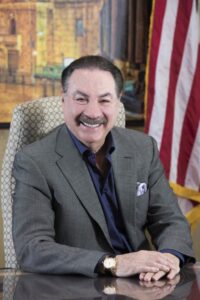
 Attorney Howard Fensterman Donates His Time to Help Others
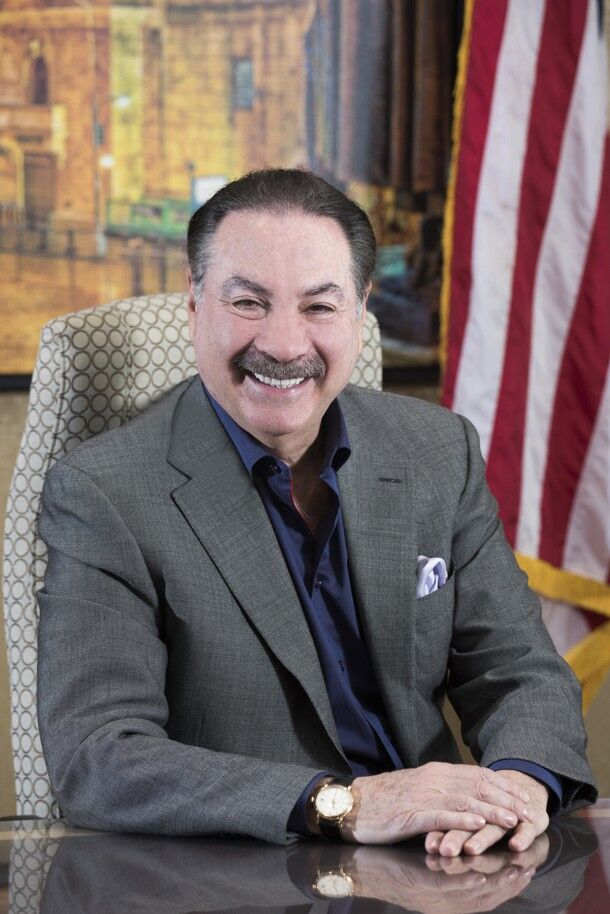
What is Howard Fensterman Charities?
To support charitable causes across healthcare, disability services, faith, and education, this site organizes the philanthropic work of a long-time New York attorney. Howard Fensterman Charities introduces Howard Fensterman and the organizations he funds, then routes visitors to a dedicated page for each cause so donors can learn more and contribute directly.
Who is Howard Fensterman?
Howard Fensterman is a New York attorney whose charitable giving funds medical research, disability services, and community programs across Long Island and beyond. His philanthropy spans autoimmune disease research, hospital foundations, developmental disability nonprofits, Jewish and Catholic community organizations, and education access initiatives, each represented by a dedicated page on this site.
What Causes Does Howard Fensterman Support?
The site organizes Howard’s giving into five cause areas: autoimmune and digestive disease, medical research and patient support, intellectual and developmental disabilities, community and faith, and education. Each area below opens onto one or more spoke pages that detail the specific organizations, programs, and impact.
A Leader in Compassionate Giving and Community Impact
Howard Fensterman’s philanthropy has strengthened healthcare systems, fueled groundbreaking medical research, and expanded essential community programs across New York and beyond. His longstanding support for individuals with intellectual and developmental disabilities has opened doors to better care, greater independence, and improved lifelong opportunities.
Guided by a mission rooted in compassion, responsibility, and service, Howard’s philanthropy extends far beyond financial contributions. It reflects a deep commitment to elevating human dignity, empowering vulnerable populations, and investing in initiatives that create lasting, meaningful change.
Promoting Awareness and Funding for Diseases
Autoimmune Digestive Illnesses
He serves on the Long Island Chapter of the Board of Trustees of the Crohn’s & Colitis Foundation, helping raise awareness and funding for research aimed at improving the lives of those affected by inflammatory bowel disease. His ongoing involvement with CCFA reflects a dedication to improving treatment options, supporting families, and contributing to a future where better therapies and ultimately a cure can be realized.
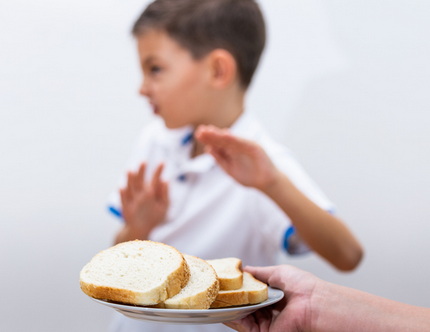
His work with celiac disease focuses on advancing medical understanding, improving patient support, and raising public awareness about this often-misunderstood autoimmune condition. Through charitable contributions to research institutions and foundations dedicated to digestive health, he helps fund studies aimed at better diagnostics, improved treatments, and ultimately a cure.
Medical Research and Patient Support
Howard’s donations help fund research, treatment programs, and support services for individuals living with serious or chronic conditions. His involvement contributes to expanding education, improving care, and giving families hope for better outcomes.
He is a contributor to Heart to Heart. A nonprofit healthcare organization committed to ensuring that critical medical aid reaches the people who rely on it most. Additionally, he supports the United Hospital Fund. An organization that helps advance its initiative to improve hospital performance, advance healthcare research, and support frontline providers, while ensuring hospitals can continue meeting the changing needs of the patients they care for.
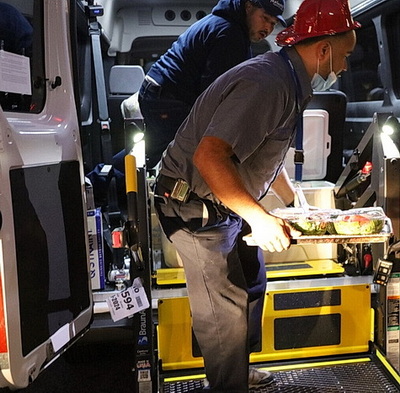
Howard Fensterman’s work with the NuHealth Foundation reflects his commitment to strengthening community healthcare on Long Island. Through his support of Nassau University Medical Center and related health programs, he helps expand access to essential services for families and underserved residents. To learn more about his contributions and the Foundation’s impact, please visit the full article on NuHealth.
Fensterman’s philanthropy also extends to The Pat Cairo Family Foundation, an organization dedicated to fighting cancer through research funding and community support. His involvement reflects a commitment to backing mission-driven medical initiatives that improve patient outcomes and strengthen local health-focused nonprofit efforts.
Howard is also an avid supporter of the Parker Jewish Institute in New Hyde Park, NY, helping senior patients and residents access compassionate healthcare, rehabilitative services, and long-term support that enhance quality of life and dignity in later years.
Intellectual and Developmental Disabilities
Howard supports charities that provide residential programs, job training, therapeutic services, and community inclusion for individuals with special needs. His work spans decades and focuses on organizations that offer real, measurable impact.
Howard also contributes to Life’s WORC, which promotes independence, dignity, and meaningful opportunities for adults with developmental disabilities.
Community, Faith, and Education
Howard believes in strengthening local communities by supporting organizations that offer educational resources, family programs, outreach initiatives, and community-building activities. His philanthropic approach goes beyond financial contributions. It reflects a belief that education, support services, and accessible programs create lasting change.
By investing in youth development, family assistance programs, and organizations that bring people together, Howard plays a role in fostering environments where children can learn, families can thrive, and communities can grow stronger. His involvement helps expand access to opportunities, enhance local programming, and encourage a culture of giving that benefits neighborhoods for generations to come.
Jewish Philanthropy & Community Leadership
Mr. Fensterman has a deep and long-standing association with Chabad of Port Washington. Since 2008, he has served on the Board of Trustees, helping guide decisions affecting everything from the synagogue and preschool to the day school, Hebrew school, camp, mikvah, and adult-education programs.

As a sign of his commitment, Fensterman has taken on leadership roles — at times acting as Dinner Chairman for the community’s annual fundraising dinners, and in 2016, he and his son, Jordan, were honored with the “Dor L’Dor: Generation to Generation” award for their philanthropy and service.
Advancing Catholic Education Through Futures in Education
Howard is recognized as a supporter of Futures in Education, an organization within the Diocese of Brooklyn that provides scholarships and tuition assistance to students who might otherwise be unable to afford a Catholic education. His involvement reflects a commitment to helping children from low-income families access academic opportunities that can shape their future. Through this connection, Fensterman plays a part in strengthening educational programs in Brooklyn and Queens by supporting initiatives that help students learn, grow, and succeed.
Family Health Challenges
Through his philanthropy, Howard contributes to programs that highlight the challenges families of loved ones who have unusual or rare diseases endure, and he promotes efforts that expand access to information, community support, and research initiatives. His involvement strengthens the organization’s ability to amplify patient stories, increase public understanding, and inspire hope for better treatments and improved quality of life.
How to Get Involved
-
- Learn about Howard’s charities: Explore the organizations Howard supports and the programs that benefit from philanthropy.
- Support these causes: Donations of any size help expand services and bring resources to people who need them. Find the links on our donation pages.
- Learn about how your charitable donations are used!
- Stay informed: Follow updates and stories about the impact of charitable work and the progress of the communities served.
- Explore our guide to informed charitable giving, including how nonprofits operate, how donations are used, and how to give with confidence.